

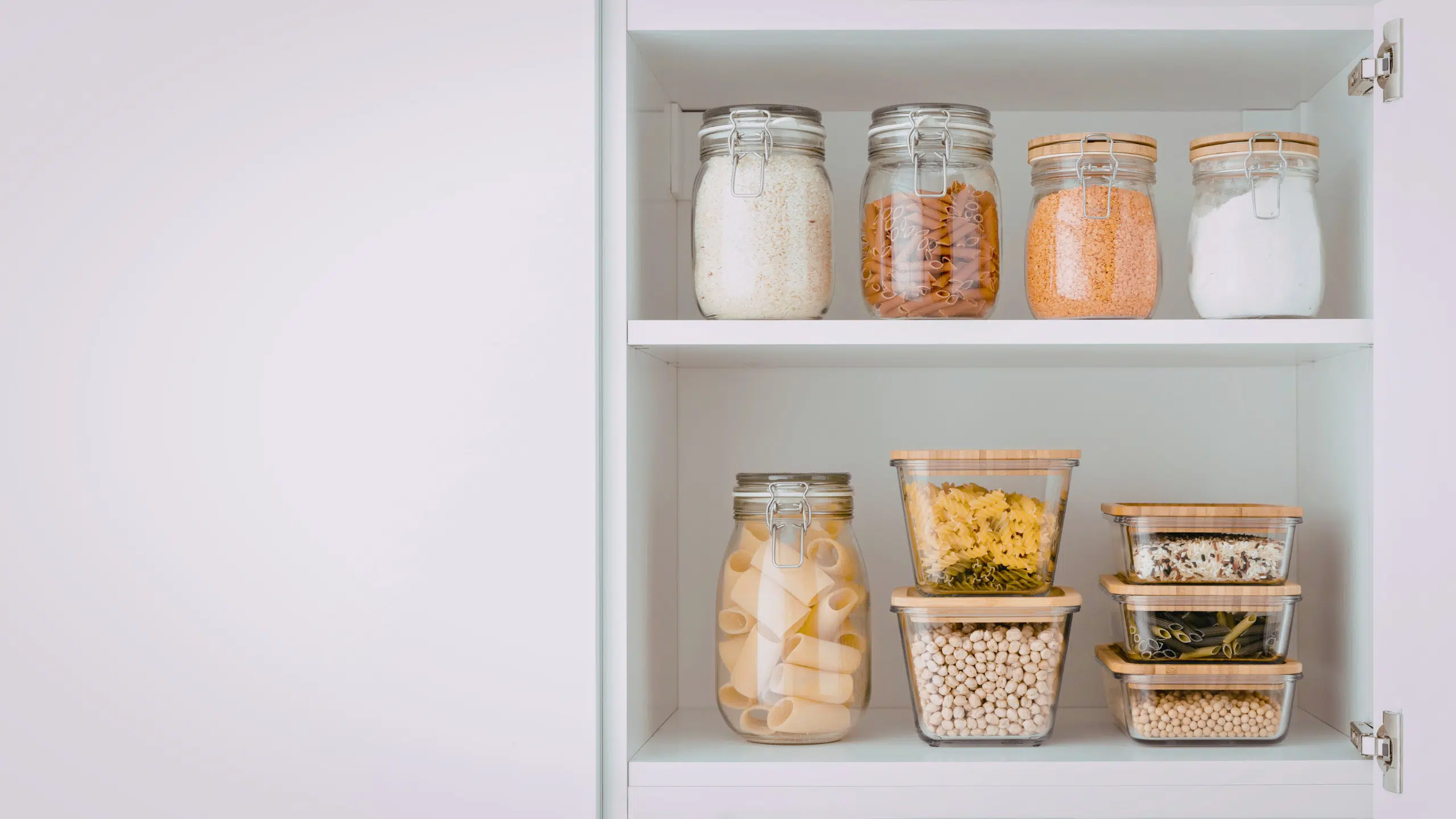
This spring, while you clean out your pantry, consider putting together a meal plan to use up what’s on hand. Instead of fully restocking with new ingredients, see what’s in the back of the cupboard, and only buy the groceries needed to make it a meal.
How to do a Kitchen Audit
Start by seeing what you already have. This step also doubles as the time to clean out the fridge and pantry. Make note of the foods that have gone bad and are thrown away – these are likely the ingredients you don’t eat much or are easily forgotten.
Make a list of everything that you have. Separate the list out by category so it is easy to scan for each element of a meal:
- Protein/Meat
- Vegetables/Fruits
- Dairy & Eggs
- Pasta/Rice/Bread
- Frozen Meals
- Spices, Herbs, and Condiments
Make note of the quantity and any items that are going to expire soon – these are the ingredients to prioritize using in the meal plan.
Making the meal plan
Look at your schedule for the upcoming week. Consider what days will have time for cooking or any plans to eat out. Some weeks you might only have to plan a couple of meals.
Then consider what easy meals you already have covered. Maybe using up that bag of cereal or oatmeal will be enough for breakfast. Leftovers from dinner can work well for a packed lunch the next day (just remember to increase the amount you cook for dinner). With the simpler meals covered, the heartier ones can be a part of the meal plan.
Look at your list – out of the ingredients you already have, what can be made?
- Start with the protein and work backwards. Protein is usually the center of a dish, and the best bet in deciding what to eat. Maybe there’s ground beef ready to be made into easy tacos or stir fry. Chicken breast can be baked with whatever spices you have on hand. Maybe those canned or dried beans can be paired with rice for an easy meal. Also consider how best to use any canned or tinned fish.
- Produce, AKA fruits and vegetables are the next essential part of the meal. If you don’t have a protein on hand, you may be able to make a satisfying vegetarian meal with produce. Fruits can be blended into smoothies for breakfast, or work as a snack between meals. With enough vegetables, you can make a delicious soup or stir fry.
- Spices, herbs, and condiments can help you narrow down the flavors of the meal. With BBQ sauce, ground beef can become Sloppy Joes. Eggs and rice can become a savory bowl with soy sauce. Or use the eggs and rice in a breakfast taco by mixing in a seasoning blend (chili powder, cumin, garlic powder, onion powder, oregano, paprika, salt and pepper).
- Pasta, rice, bread and other grains can determine what dishes you can make. Rice can make breakfast bowls or bibimbap. Pasta can make mac ‘n cheese, refreshing pasta salads, or a hearty dinner with tomato sauce. Tortillas can make tacos or quesadillas. If you don’t have a tortilla for your taco, make a taco bowl. If you don’t have bread for your grilled cheese, make a quesadilla instead.
It can help to look through a recipe website or cookbook to find recipe inspiration. Searching for “ground beef recipes” can spark ideas for meals you may not have thought of, but have the ingredients for. To get started, check out our recipe archive.
Look for recipes that include at least 3-5 ingredients from the list you already have. Whatever ingredients aren’t on hand from these recipes, add to the grocery list.
Grocery Shopping
This grocery list should be shorter than usual. If not, go back and look at the recipes – is there any possible overlap ingredients? Could the same vegetables or proteins be swapped out and used in multiple dishes? For some more inspiration, check out our guide on flexible batch cooking.
For any ingredients that were thrown away during this process, buy a smaller amount. See what’s available to buy in bulk (the co-op’s version of bulk, which allows you to only buy what you need).
Casual Meal Planning
A little intention goes a long way towards reducing waste and making mealtimes easier. By taking stock of what’s already in the kitchen, building meals around those ingredients, and shopping only to fill in the gaps, you can simplify weekly meal planning. A thoughtful kitchen audit and flexible meal plan not only use up what you have, but also set you up with smarter shopping habits that make cooking more efficient and less wasteful.